
Turn your food scraps into soil—and your waste into renewal.
Composting is one of the simplest ways to reduce household waste and give back to the planet. By transforming everyday scraps into nutrient-rich soil, you’re closing the loop and creating something valuable—right from your own home.
Why It Matters
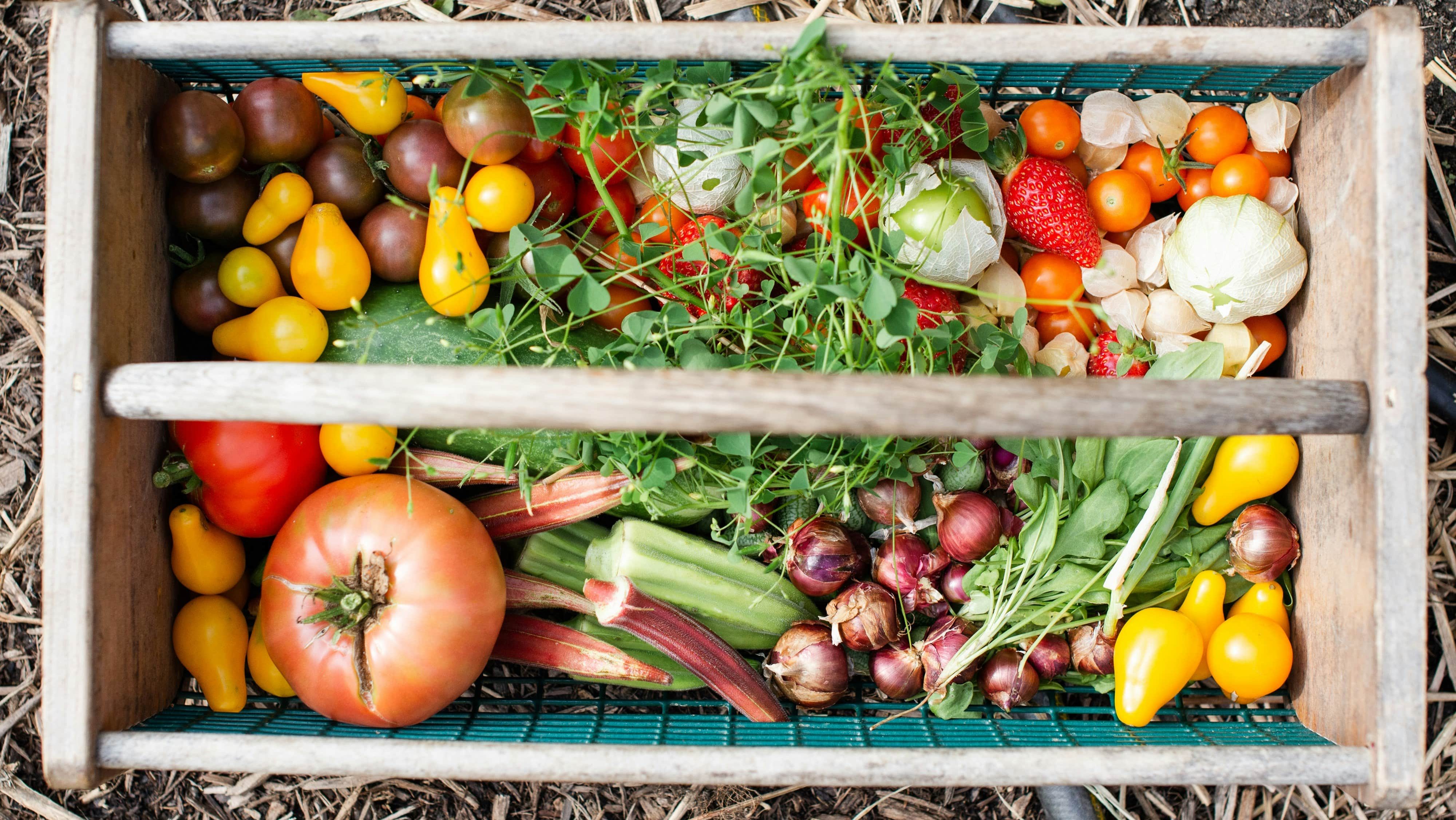
Food waste is one of the largest contributors to methane emissions in landfills. Even scraps like banana peels, coffee grounds, and veggie ends have the power to nourish the earth—when composted correctly. Composting diverts organic material from landfills and returns it to the soil, supporting healthier ecosystems and reducing your environmental footprint right at home.
How To Start Composting At Home

Step 1: Choose Your Method
⦿ Backyard Composting: Use a bin, tumbler, or open pile in a shady spot.
⦿ Indoor Composting: Try a countertop bin with a charcoal filter or a bokashi system.
⦿ Worm Composting (Vermicomposting): A great option for small spaces using red wigglers to break down scraps quickly.
Step 2: Know What to Compost
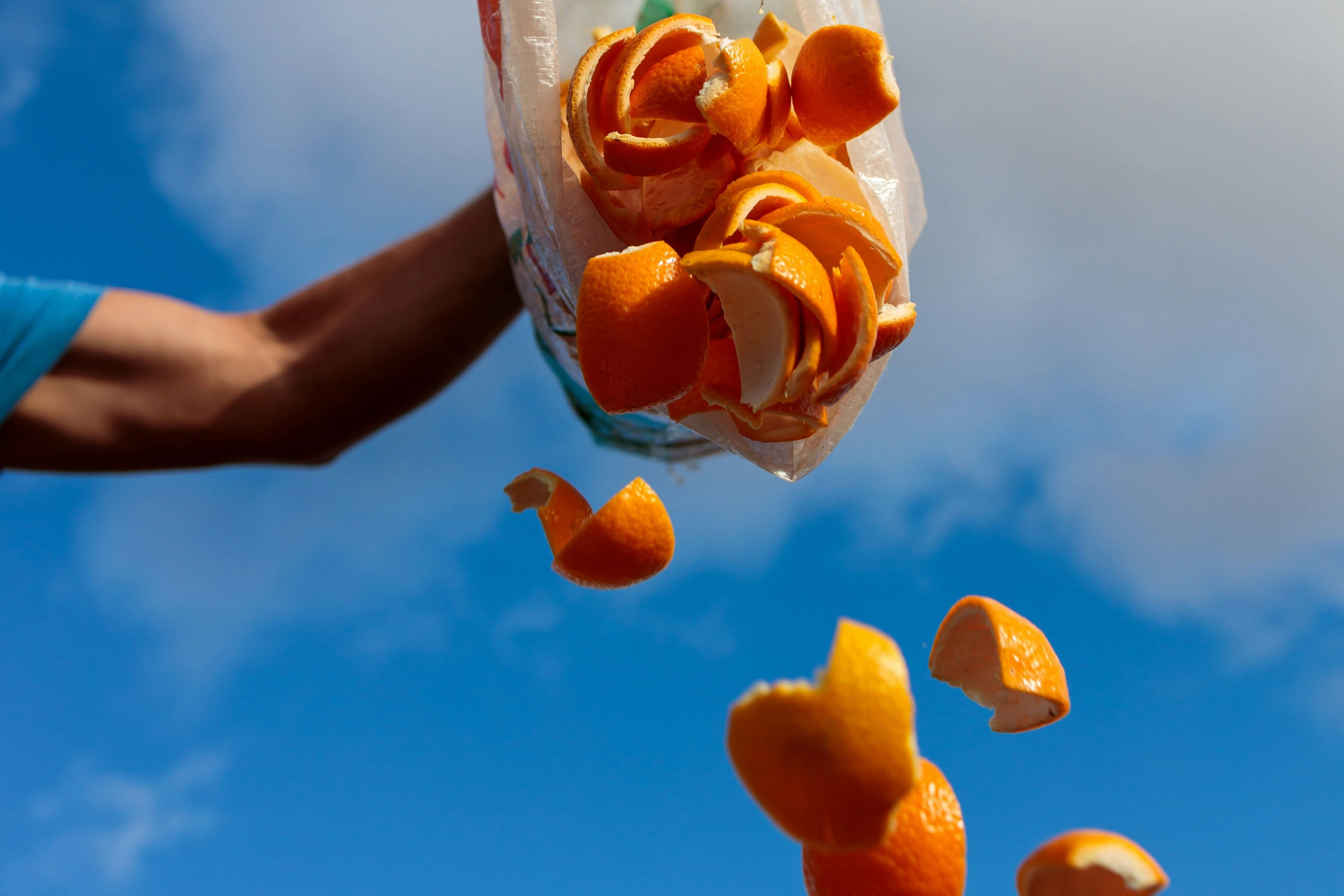
⦿ Greens (Nitrogen-rich): Fruit & veggie scraps, coffee grounds, tea leaves, plant trimmings
⦿ Browns (Carbon-rich): Dry leaves, paper towels, shredded cardboard, newspaper


Step 3: Balance & Maintain
⦿ Aim for a balance of greens to browns (~1:2 ratio)
⦿ Keep it moist but not soggy
⦿ Aerate your compost weekly (turn with a shovel or spin the tumbler)
Step 4: Use Your Compost
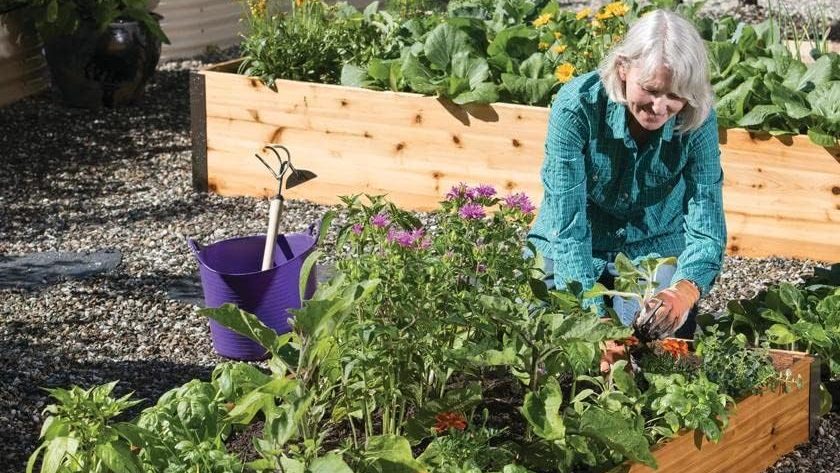
After a few months, you’ll have rich, dark compost that smells earthy—ready to mix into houseplants, garden beds, or community green spaces.
Tips for First-Timers
Start small
Even a single jar of compostable scraps is a step in the right direction. You don’t need a full system to begin reducing waste.
Collect Conveniently
Place a covered bin near your kitchen sink to make daily composting effortless and easy to remember.
Freeze for Later
Can’t compost right away? Store your scraps in the freezer to minimize odor and mess until you’re ready.
Know What to Skip
Avoid composting meat, dairy, oily foods, and anything treated with chemicals—they can attract pests or slow down decomposition.
Explore Local Options
No space to compost at home? Many cities and neighborhoods offer compost drop-off programs or community garden bins.
“Composting is one of the most powerful actions individuals can take to reduce food waste and greenhouse gas emissions.”

U.S. Environmental Protection Agency
EPA
Nature doesn’t waste a thing—and neither should we.
 ARISE
ARISE 