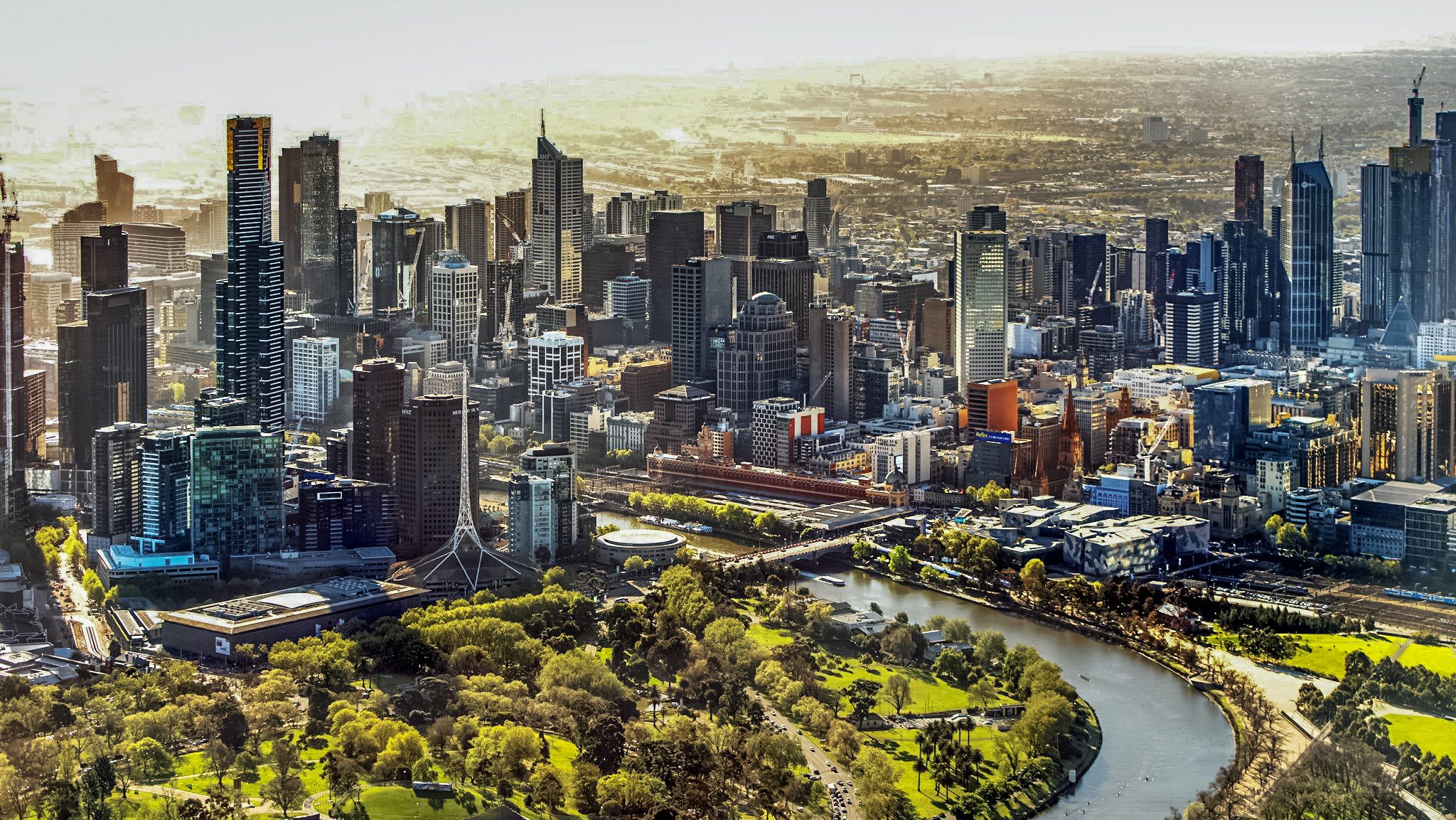
As one of the fastest-growing cities in Australia, Melbourne faces mounting pressure from climate extremes such as intense heatwaves, prolonged droughts, and flash flooding. These challenges are amplified by the city’s rapid urbanization, which has led to sprawling development, increased impervious surfaces, and a decline in natural green cover. Recognizing the urgent need for long-term resilience, Melbourne launched its Urban Forest Strategy in 2012—an ambitious, citywide plan to double tree canopy cover by 2040 and redefine how the city coexists with nature.
The strategy was developed in response to rising concern over the Urban Heat Island (UHI) effect, which had made some neighborhoods more than 7°C hotter than greener, surrounding areas. These elevated temperatures weren’t just uncomfortable—they posed serious health risks, particularly for vulnerable populations like the elderly and low-income residents. Combined with growing water scarcity and biodiversity loss, the city knew it needed an integrated and forward-thinking solution.
At the heart of the Urban Forest Strategy is a commitment to plant more than 3,000 trees every year, strategically targeting heat-vulnerable zones, low-canopy neighborhoods, and high-traffic corridors. But this isn’t just about putting trees in the ground—it’s about planting the right trees in the right places, using a carefully curated palette of species that can adapt to future climate conditions. Melbourne’s approach emphasizes species diversity to safeguard against pests, disease outbreaks, and monoculture collapse, ensuring that the city’s green cover will remain healthy and resilient for decades to come.

Beyond temperature control, these trees are expected to deliver a range of co-benefits: improving air quality, absorbing carbon dioxide, reducing stormwater runoff, enhancing walkability, supporting native wildlife, and contributing to overall public well-being. Research shows that exposure to greenery can lower stress, improve mental health, and foster social cohesion—outcomes the city intentionally weaves into its urban design.
To engage the public, Melbourne created a suite of interactive tools and digital platforms that make the urban forest strategy not just visible, but participatory. The most beloved example is the “Email a Tree” program, which allows residents to write to specific trees using their unique ID numbers on the Urban Forest Visual map. What began as a way to report damage or health issues quickly became a charming, viral success—residents and schoolchildren began sending trees love letters, questions, and poems, deepening emotional connections between people and place.
Melbourne also offers open-access data on its Urban Forest Visual map, which shows species types, tree age, and projected life expectancy across the city, promoting transparency and inviting public involvement in urban greening efforts. Educational programs, public workshops, and school activities help integrate the strategy into everyday life, turning tree planting into a shared civic responsibility.
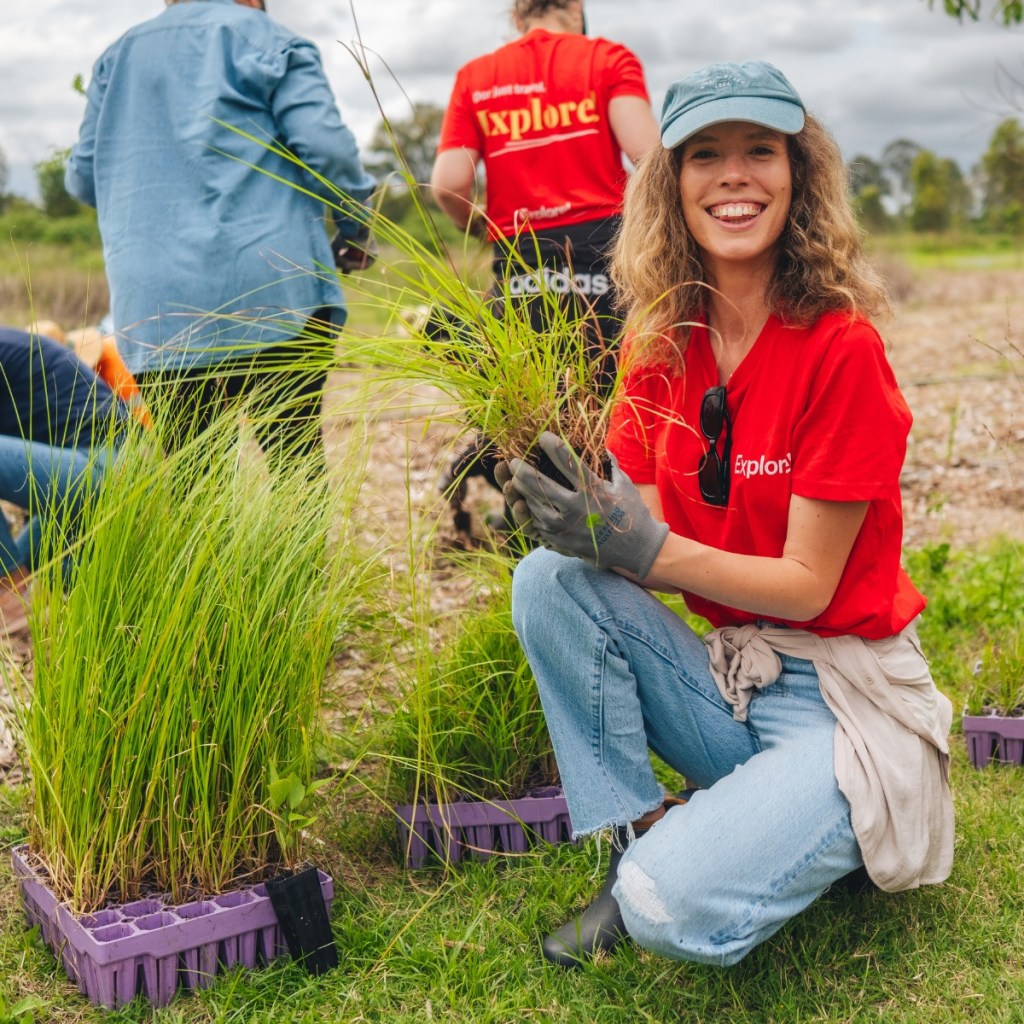
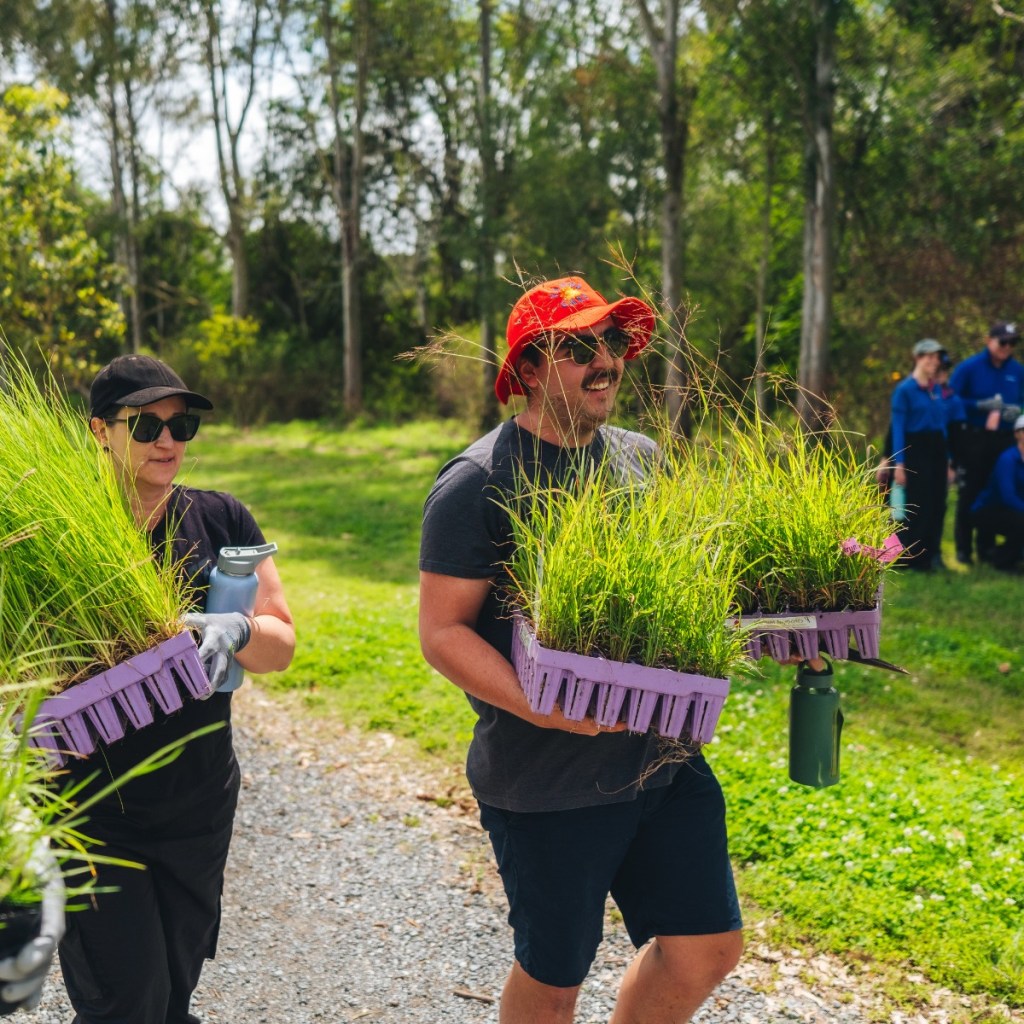
Over a decade into implementation, the Urban Forest Strategy is already reshaping Melbourne’s urban character. Shady corridors are improving walkability and cooling down formerly inhospitable streets. Wildlife is returning to newly planted habitats. Residents are embracing trees not just as infrastructure, but as neighbors and cultural assets.
Melbourne’s bold investment in urban forestry is now recognized internationally as a model for climate-responsive city planning. It proves that tree canopy isn’t just about aesthetics—it’s about survival, equity, and long-term livability. By transforming its relationship with nature through policy, design, and storytelling, Melbourne is building a city where people and ecosystems thrive together.

Take Aways
Urban Trees as Climate Infrastructure.
Melbourne’s Urban Forest Strategy treats trees as essential infrastructure—cooling the city, reducing flood risk, and improving air quality in response to rising heatwaves and drought.
Biodiversity and Resilience through Smart Planting
By prioritizing diverse, climate-adaptive species, the city is future-proofing its green canopy against pests, disease, and climate stressors. This thoughtful approach ensures long-term health and adaptability for Melbourne’s urban forest as environmental conditions evolve.
Data-Driven and Community-Centered
Tools like the Urban Forest Visual map and the “Email a Tree” program engage residents directly, blending public education with emotional connection to nature. These initiatives turn abstract strategies into interactive experiences, helping people feel personally invested in their city’s future.
Equity-Focused Urban Design
Tree planting targets the hottest, most underserved neighborhoods—ensuring that the benefits of greenery reach those most affected by climate change. By addressing urban heat and access to green space, Melbourne is working toward a more livable and just city for all.
 ARISE
ARISE 