

As part of its bold commitment to addressing climate change and enhancing urban livability, Paris has adopted the transformative 15-Minute City model, a concept that reimagines urban life by making all essential services accessible within a short 15-minute walk or bike ride from home. This includes not only schools, parks, grocery stores, and healthcare facilities but also local workspaces, cultural institutions, public transportation, and social gathering places. At the heart of this vision is a desire to reduce reliance on cars, lower carbon emissions, and create more vibrant, people-centered neighborhoods.
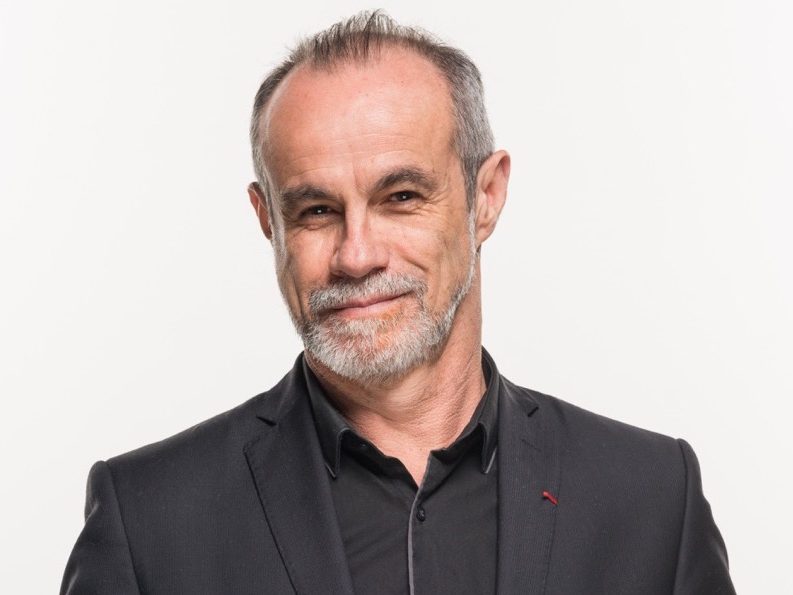
The 15-Minute City model was developed by Franco-Colombian urbanist Carlos Moreno and has been championed by Paris Mayor Anne Hidalgo, who integrated it into her broader sustainability and mobility policies. Under her leadership, the city has taken concrete steps to bring this vision to life. Streets have been redesigned to prioritize pedestrians and cyclists over cars. Over 1,000 kilometers of bike lanes have been introduced, including “coronapistes” – temporary lanes created during the COVID-19 pandemic that have since become permanent fixtures. Car traffic in the city center has been significantly restricted, with plans to eliminate through-traffic in key districts like the Right Bank and Montmartre.
-Carlos Moreno“The goal is to improve the quality of urban life by focusing on the hyper-proximity of essential daily needs, reachable in 15 minutes on foot or by bike from home”
Schools are being turned into multi-use spaces, open to the public during evenings and weekends for cultural and community activities. Public plazas, formerly dominated by cars, are being converted into green, shared spaces. Local businesses are supported through neighborhood hubs that foster economic diversity and independence. Urban greening projects—including tree planting, pocket parks, and rooftop gardens—are being implemented to combat the urban heat island effect and improve air quality.
This decentralized model fosters a sense of community and strengthens local economies while also reducing daily commute times and promoting well-being. Paris’ approach also places a strong emphasis on equity—ensuring that low-income communities benefit equally from access to amenities, mobility, and public investment.
In essence, the 15-Minute City is not just an urban planning concept—it’s a philosophy of proximity, one that encourages human connection, environmental stewardship, and resilient infrastructure. Paris stands as a leading example of how this model can be scaled up across a global metropolis, offering a hopeful blueprint for cities worldwide striving toward a more sustainable and inclusive future.

The city has already begun transforming streetscapes to prioritize pedestrians and cyclists, converting car lanes into green corridors, bike paths, and pedestrian plazas. Local businesses are also seeing a resurgence as more residents stay within their neighborhoods for daily needs.
This hyper-local model stimulates economic growth at the neighborhood level. When residents shop and dine closer to home, small businesses benefit from increased foot traffic and stronger customer relationships. By cutting commuting costs and supporting local economies, the model helps circulate wealth within communities—creating more resilient, self-sufficient urban hubs.
This approach doesn’t just tackle environmental concerns—it strengthens communities by encouraging localized interaction, decentralizing urban resources, and promoting healthier lifestyles.
Take Aways
Reallocated street space for bike lanes and pedestrians.
Paris redesigned large portions of its road infrastructure to prioritize active transportation. Sidewalks were widened, car lanes were removed or reduced, and protected bike lanes were introduced to create a safer, more accessible environment for non-drivers.
Increased green areas and local commerce.
Small urban parks and planters have replaced former parking zones, while pedestrian-friendly streetscapes have attracted more foot traffic. This has given local businesses a boost, encouraging residents to shop and dine in their own neighborhoods.
Flexible reuse of buildings.
The city has promoted multi-functionality in its architecture, allowing public buildings like schools to double as community centers after hours. This maximizes space use, strengthens neighborhood bonds, and ensures accessibility to vital resources.
Significant reduction in vehicle traffic and emissions
By discouraging car use and investing in pedestrian and cycling infrastructure, Paris has seen measurable reductions in traffic congestion and carbon emissions—improving air quality and lowering the city’s environmental impact.
 ARISE
ARISE 