

In Nairobi, a powerful and growing movement of community-led green space initiatives is reshaping the urban landscape, particularly in the city’s informal settlements. These grassroots efforts are reclaiming neglected land and transforming it into thriving, self-sustaining environments that provide tangible environmental, social, and economic benefits. Unlike traditional urban planning projects led by government institutions or large NGOs, these initiatives are conceived and carried out by residents themselves—often youth and local leaders who are deeply rooted in their neighborhoods and intimately familiar with their challenges.
In communities struggling with overcrowding, pollution, lack of sanitation, and inadequate infrastructure, green space can seem like a distant luxury. Yet, groups like the Mathare Green Movement have made it a reality. Launched by young activists living in one of Nairobi’s largest and most underserved informal settlements, the initiative began with a simple but radical act: planting trees in spaces once filled with waste. Over time, the group reclaimed dumping grounds, set up gardens, built benches, and created shaded spaces for gatherings and rest. Their efforts soon spread to other areas, inspiring a decentralized wave of environmental activism across Nairobi.
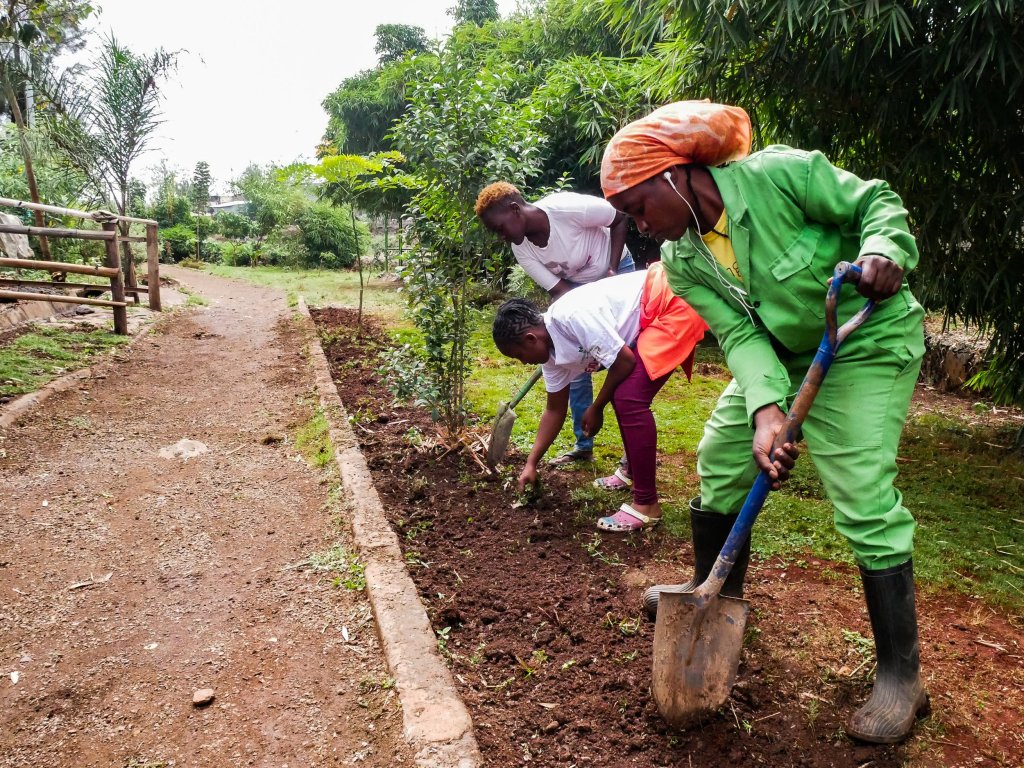

These green interventions are far more than beautification—they function as multifunctional urban hubs. In addition to providing safe, clean places for children to play, many of the spaces now host community meetings, workshops, and environmental education programs. Small-scale farming plots, vertical gardens, composting systems, and rainwater harvesting structures support food production and teach sustainable living practices. In some cases, locals have even created eco-brick paths and community libraries, blending ecological restoration with social enrichment.
What sets these projects apart is their ability to foster youth employment, community healing, and local ownership. In neighborhoods where formal employment is scarce and social cohesion has been fractured by poverty or displacement, green spaces have become sources of empowerment. Young people gain skills in landscaping, farming, and environmental stewardship. Elders pass on agricultural knowledge. Residents gather for storytelling, celebrations, and cultural events. These spaces become sites of memory, healing, and resilience, fostering a deeper connection between people and place.
— Kevin Odhiambo, founder of the Mathare Green Movement“The fight for environmental justice in informal settlements starts with reclaiming our spaces, restoring our dignity, and planting hope—tree by tree.”
As word spreads, local NGOs, academic institutions, and international organizations have taken notice. Many now offer support in the form of training, seeds, tools, and small grants, helping scale up or stabilize community efforts. But despite this outside interest, the heart of Nairobi’s urban greening movement remains local. These initiatives are powered by people who live the consequences of environmental neglect daily and who are committed to reclaiming their right to clean, green, and functional public spaces.

Ultimately, Nairobi’s community-led green transformations offer a powerful model for cities facing similar challenges around the world. They show that urban resilience and environmental justice do not always begin with top-down policy—but can emerge from the ground up, in acts as simple and revolutionary as planting a tree. These spaces stand as living proof that even in the most resource-constrained environments, hope, creativity, and collective action can lead to a greener, more just urban future.
Take Aways
Reclaimed neglected spaces for green and public use.
Community members turned illegal dumping grounds and overgrown vacant plots into clean, vibrant green areas—many now used as parks, gardens, and social gathering spaces.
Empowered local youth through environmental stewardship.
Organizations like the Mathare Green Movement actively engage young people in urban greening projects, offering them leadership roles, income-generating opportunities, and purpose-driven work that benefits their communities.
Improved food security with small-scale urban farming.
Through the creation of vertical gardens, composting systems, and rainwater harvesting, residents grow vegetables and herbs in tight urban areas—improving nutrition and lowering household food costs.
Strengthened community identity and safety.
Green spaces double as informal meeting points and play areas, fostering stronger social bonds and reducing the risk of violence in dense, underserved areas. In some cases, the introduction of greenery has even helped lower local crime rates.
 ARISE
ARISE 