
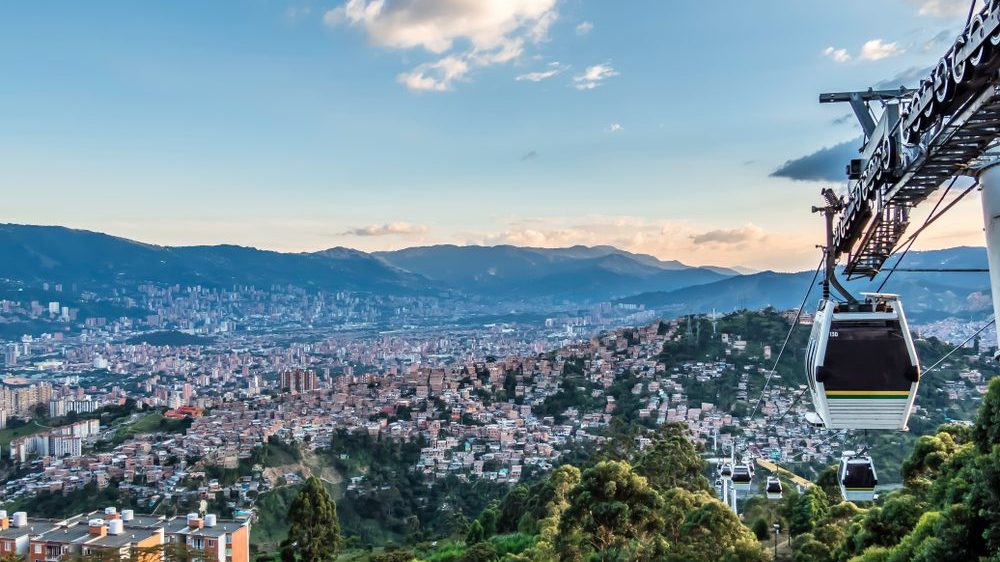
In a bold effort to bridge deep-rooted social and geographic divides, Medellín, Colombia redefined urban mobility and inclusion with the implementation of Metrocable—a system of aerial cable cars specifically designed to connect the city’s most underserved hillside communities with its core public transportation network. Launched in 2004, this groundbreaking initiative was not only a transportation upgrade but also a powerful symbol of equity and transformation in a city once plagued by violence and extreme inequality.
For decades, Medellín’s steep mountainous terrain left many low-income neighborhoods, particularly the comunas, physically and socially isolated. Areas like Santo Domingo Savio, perched on the urban periphery, were nearly impossible to reach efficiently with traditional buses or private vehicles. The unpaved, winding roads often meant commutes of up to two hours just to reach the city center—time-consuming, costly, and demoralizing for residents trying to access jobs, schools, healthcare, or even fresh food. This physical separation entrenched cycles of poverty and reinforced social stigmas.
-TheCityFix“The implementation of the Metrocable improved ‘access to activities’ for the low-income population, and confirms the importance of improving accessibility to promote social inclusion.”
The Metrocable system changed that narrative. By suspending cable cars above the city’s dramatic slopes, Medellín was able to bypass challenging terrain entirely. Residents who once endured exhausting travel routines could now reach central metro stations in as little as 25 minutes, making public transit not only faster but safer and more dignified. Importantly, Metrocable was fully integrated with the city’s metro system, meaning passengers could transfer without paying additional fares—an essential consideration for low-income riders.
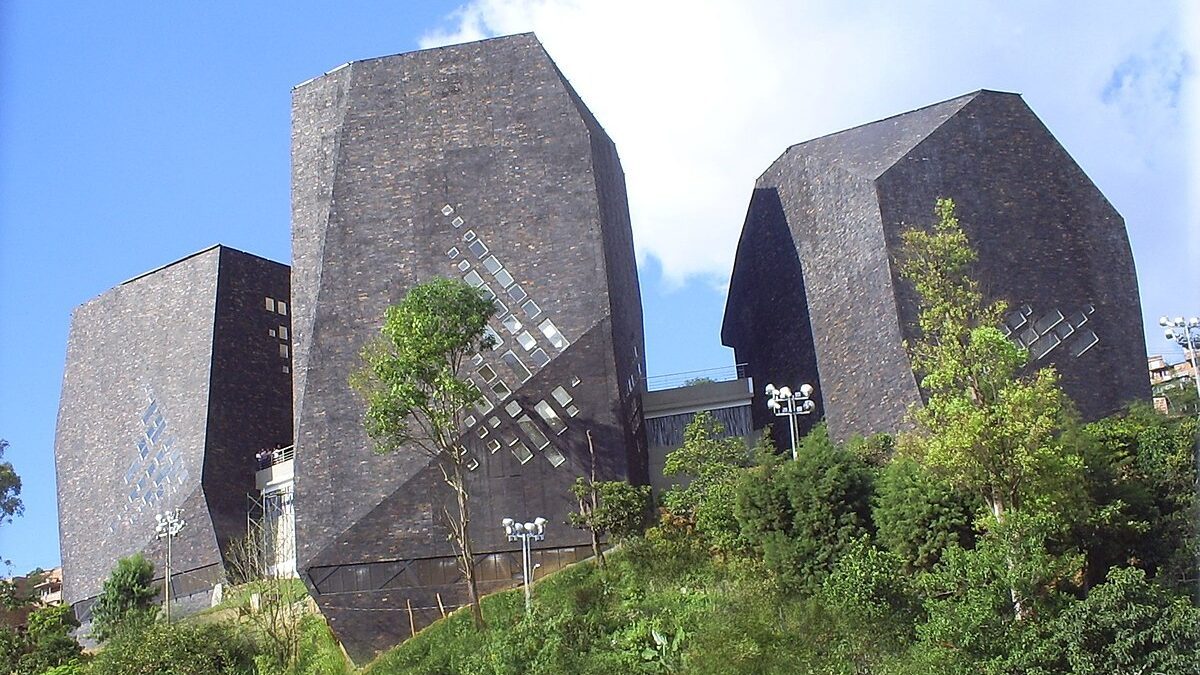
Today, six Metrocable lines operate, moving tens of thousands of passengers daily. But the true genius of the project lies not just in its engineering, but in its holistic approach to social urbanism. Around cable car stations, the city strategically invested in vibrant public infrastructure—building libraries, parks, cultural centers, and schools to transform transit nodes into hubs of community life. Perhaps the most iconic of these is the Parque Biblioteca España, a striking modern library built high in the hills, offering free internet, books, and educational programs to a community that once had little access to such resources.
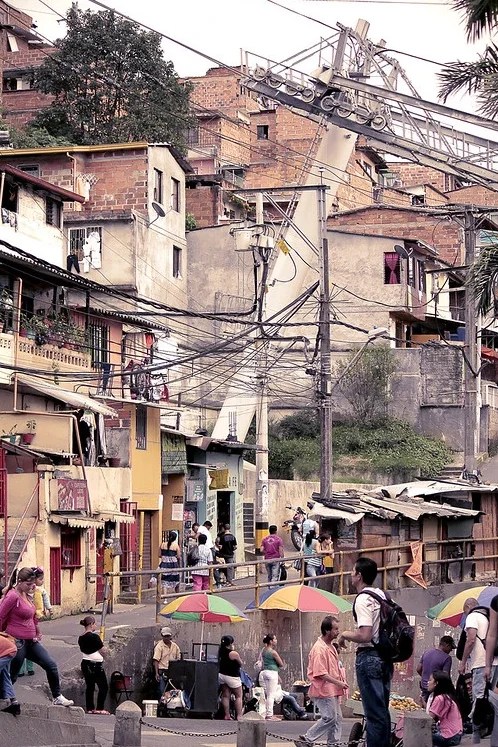
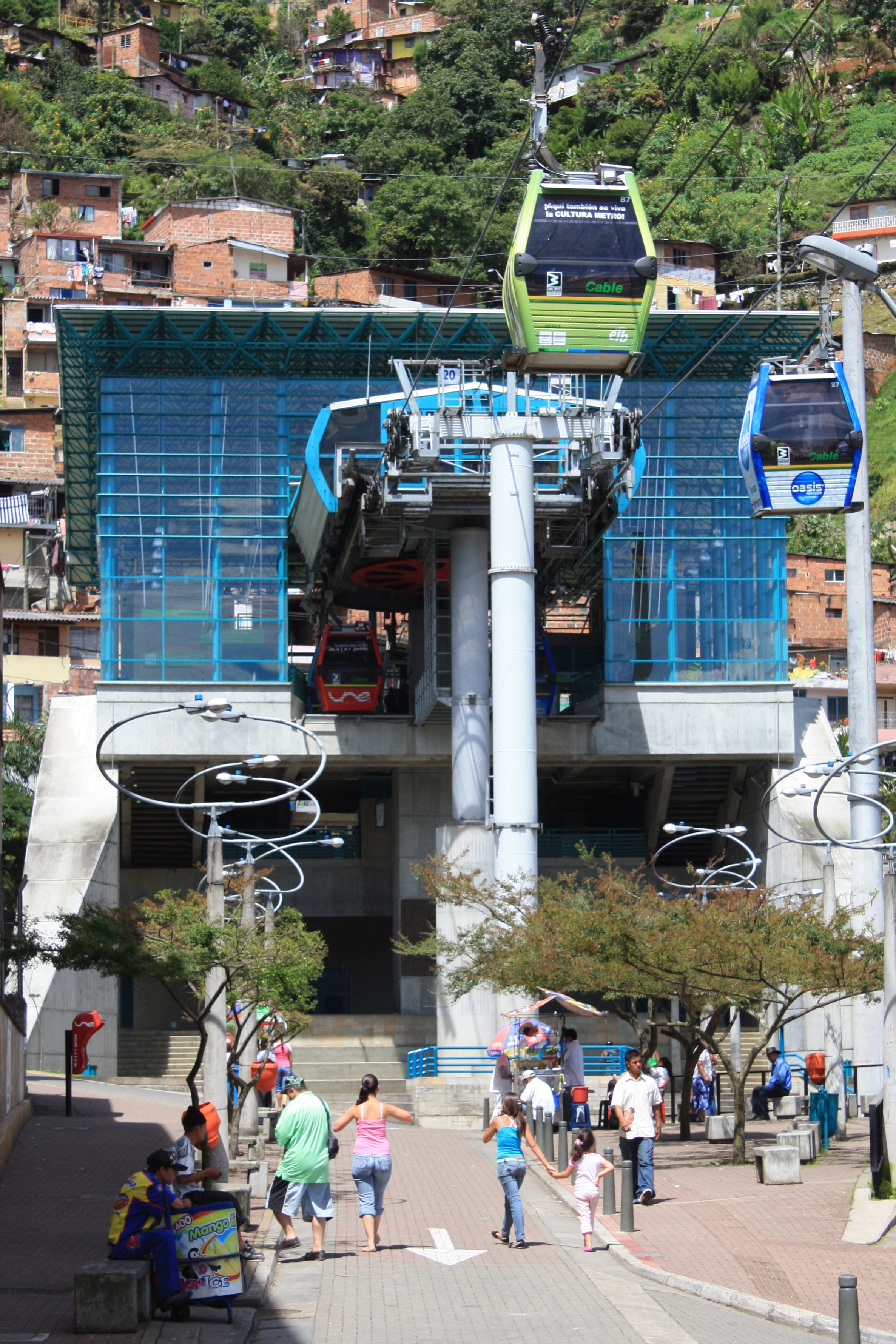
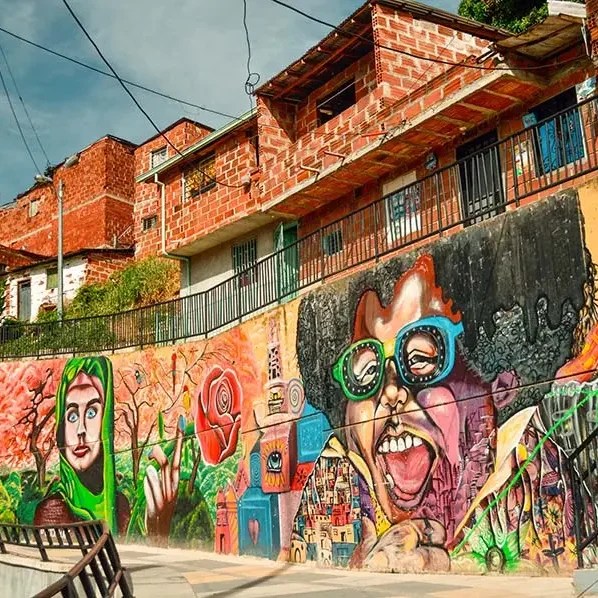
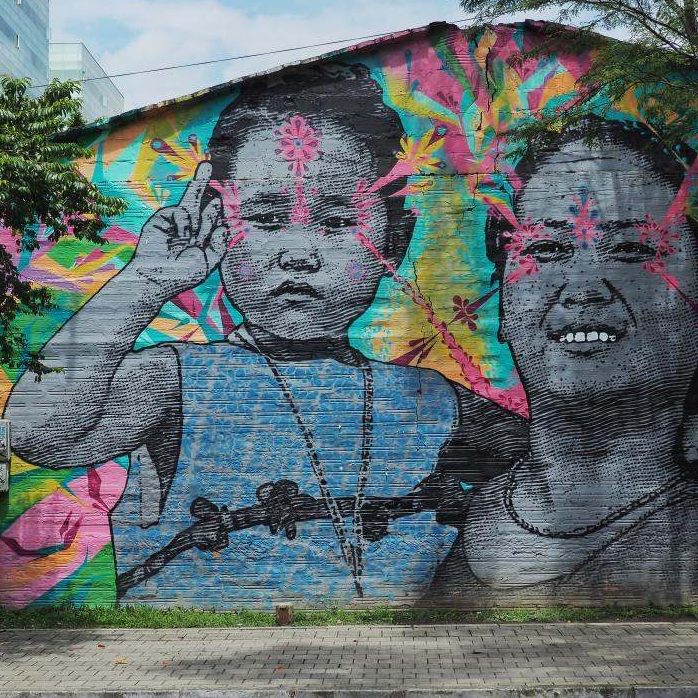
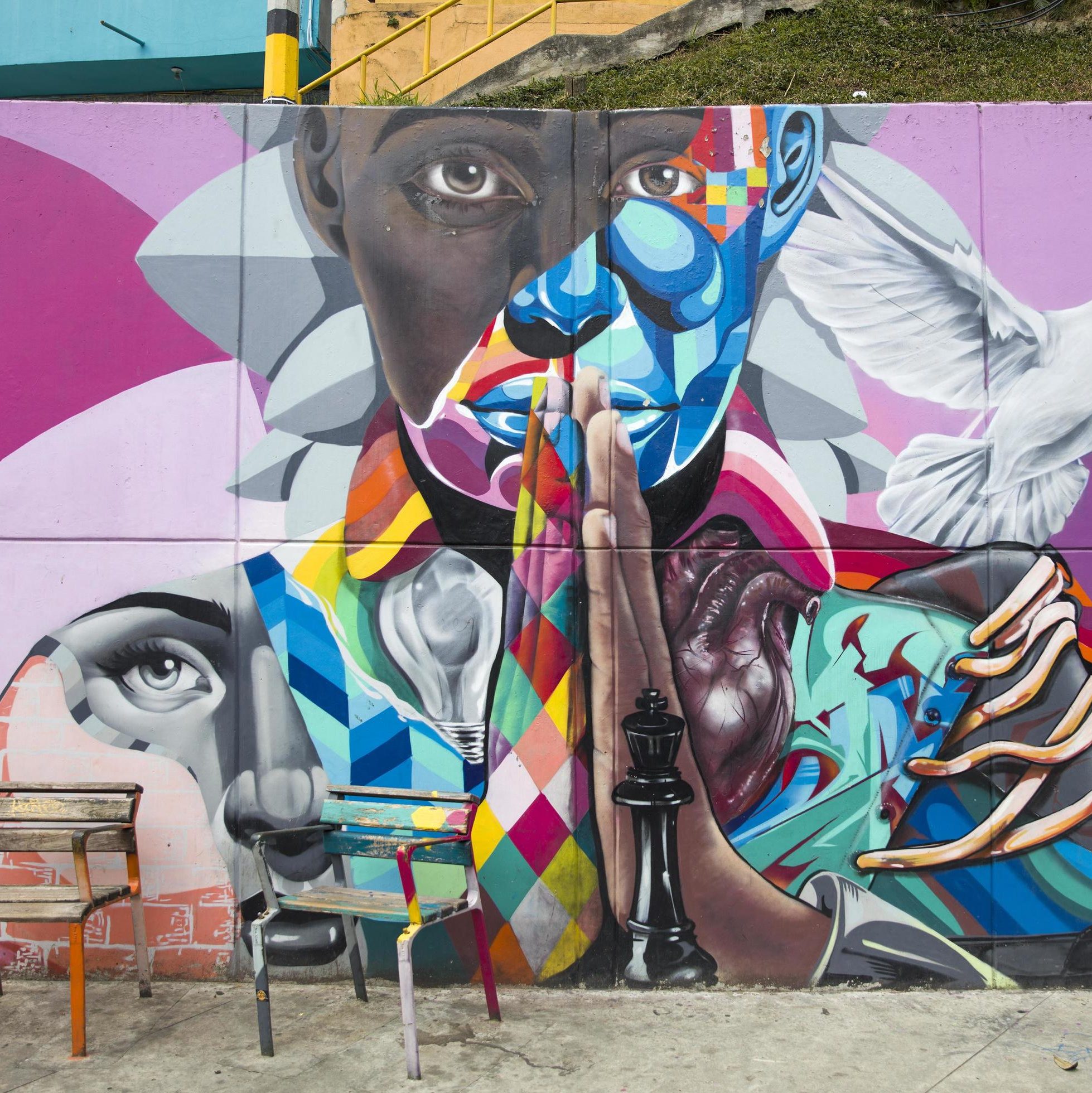
Public spaces were also infused with murals, sculptures, and street art, signaling cultural pride and reclaiming the narrative around previously stigmatized neighborhoods. In many areas, crime rates declined, local economies flourished, and residents reported a renewed sense of ownership over their city. Beyond mobility, Metrocable became a catalyst for social regeneration, restoring trust between the municipal government and communities that had long been neglected or feared.
The success of Medellín’s Metrocable has inspired similar projects in cities like La Paz, Mexico City, and Rio de Janeiro, showing that thoughtful, community-centered design can profoundly reshape urban life. What began as a transit solution evolved into a globally recognized model for inclusive urban transformation—proving that connecting people isn’t just about moving them across space, but also about elevating dignity, opportunity, and hope.
Take Aways
Reduced average commute times from 2 hours to less than 30 minutes.
Before the Metrocable system, residents in Medellín’s hillside communities often spent hours navigating steep, indirect routes to reach the city center. The cable cars dramatically cut commute times, allowing people to reclaim their time and access essential services more efficiently.
Improved access to jobs, education, and public services.
The new transit system didn’t just move people—it opened doors. By linking marginalized neighborhoods to Medellín’s economic and cultural hubs, the Metrocable gave residents better access to employment opportunities, schools, and healthcare, significantly improving quality of life.
Strengthened social inclusion in historically underserved areas.
The cable cars were a visible symbol of investment in communities that had long been overlooked. Coupled with public libraries, parks, and community centers built near the stations, the project helped reduce stigma and reconnect residents with the broader fabric of the city.
Received global recognition as a model for equitable urban planning.
Urban planners and sustainability experts around the world now view Medellín’s cable cars as a benchmark for inclusive infrastructure. The project has earned numerous awards and is frequently cited as a case study in how to design with both function and fairness in mind.
 ARISE
ARISE 