In the heart of South Los Angeles, a transformative and community-driven initiative is taking shape: the South LA Eco-Lab—a distributed climate resilience hub designed to deliver clean energy, sustainable infrastructure, and economic opportunity to one of the city’s most historically marginalized areas. Officially launched in 2023 with major support from California’s Transformative Climate Communities (TCC) program, the Eco-Lab represents a landmark investment in environmental justice, centering the needs and voices of Black and brown communities who have long lived with the impacts of redlining, industrial pollution, urban heat, and chronic disinvestment.
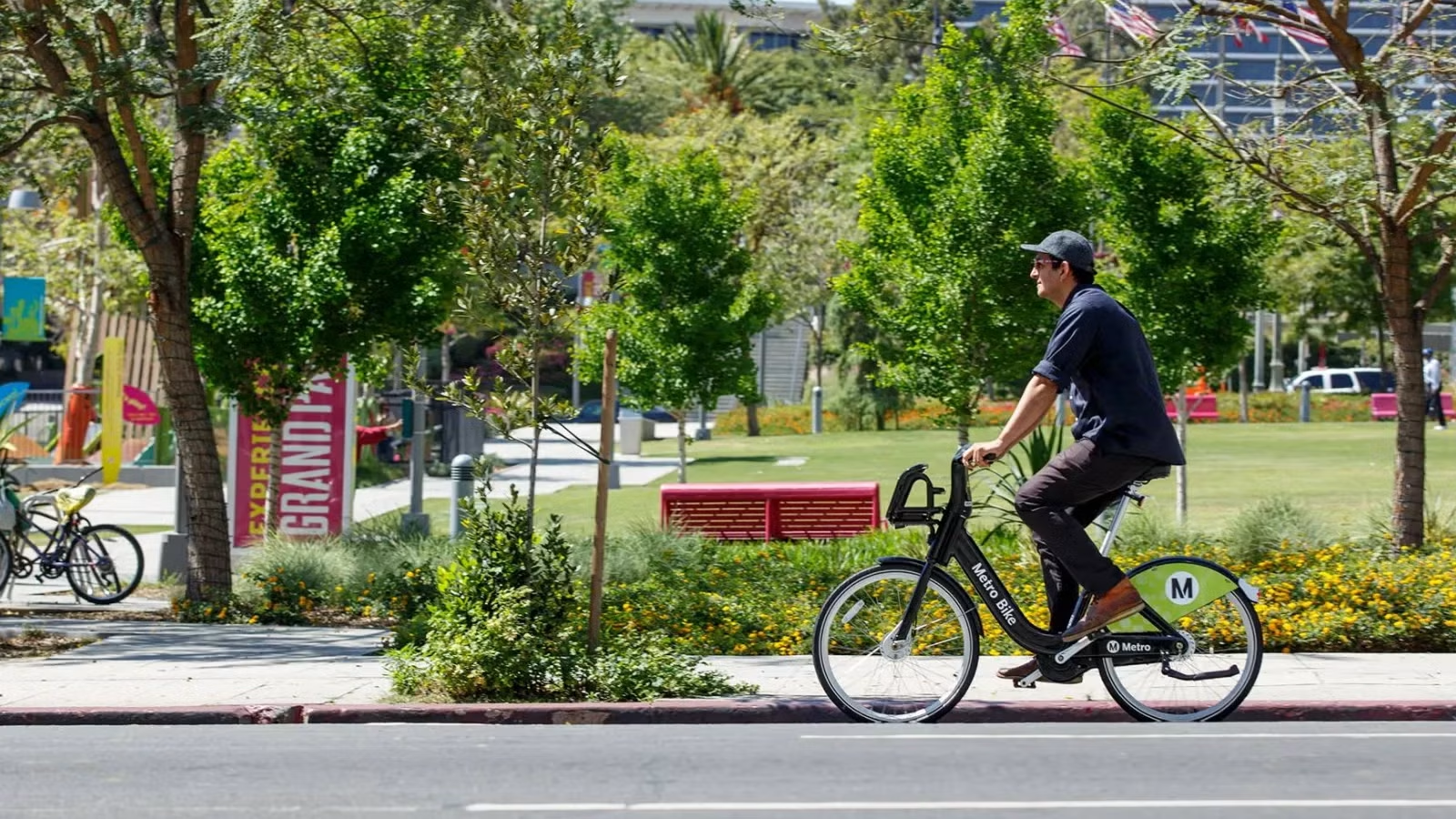
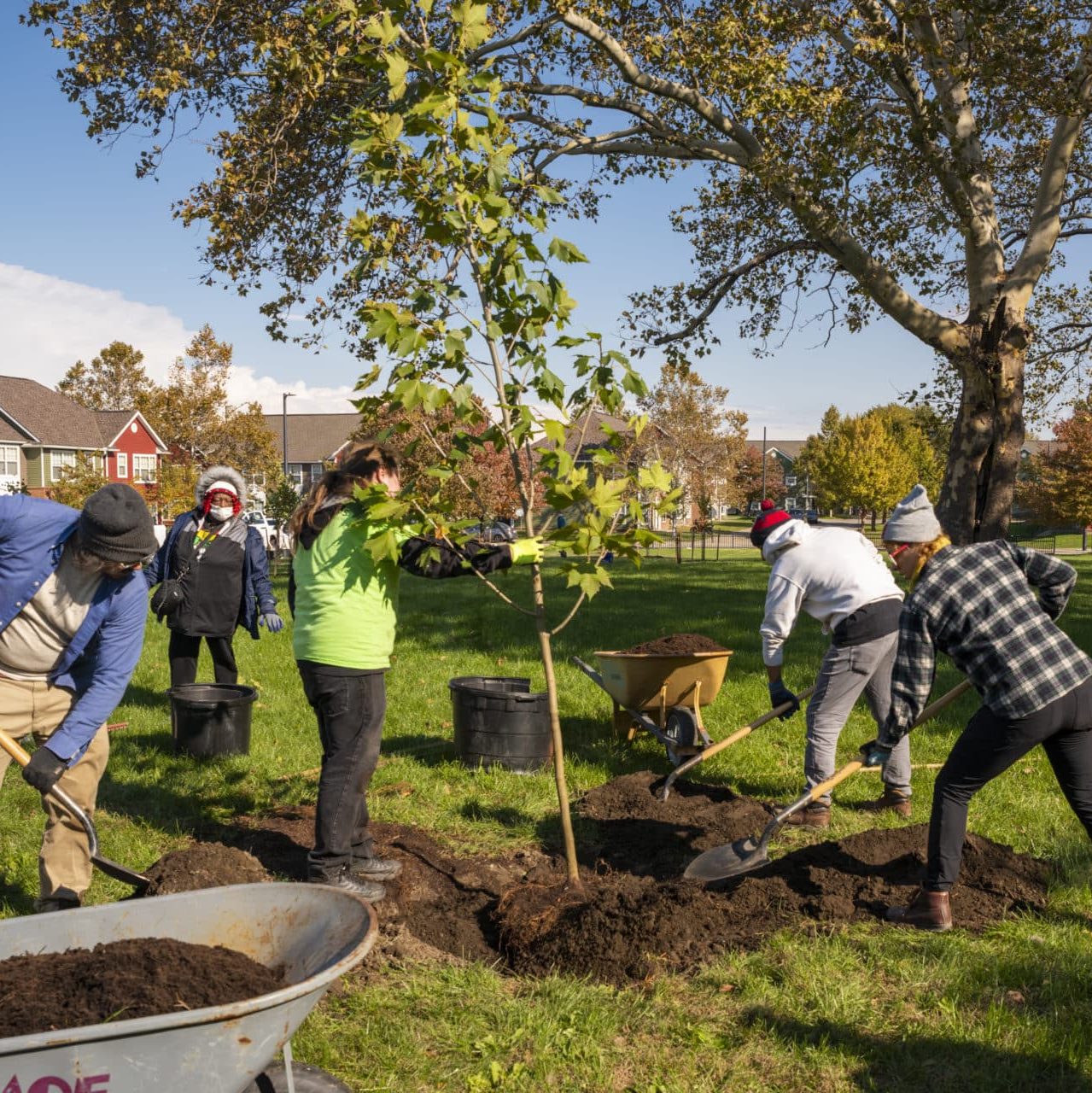
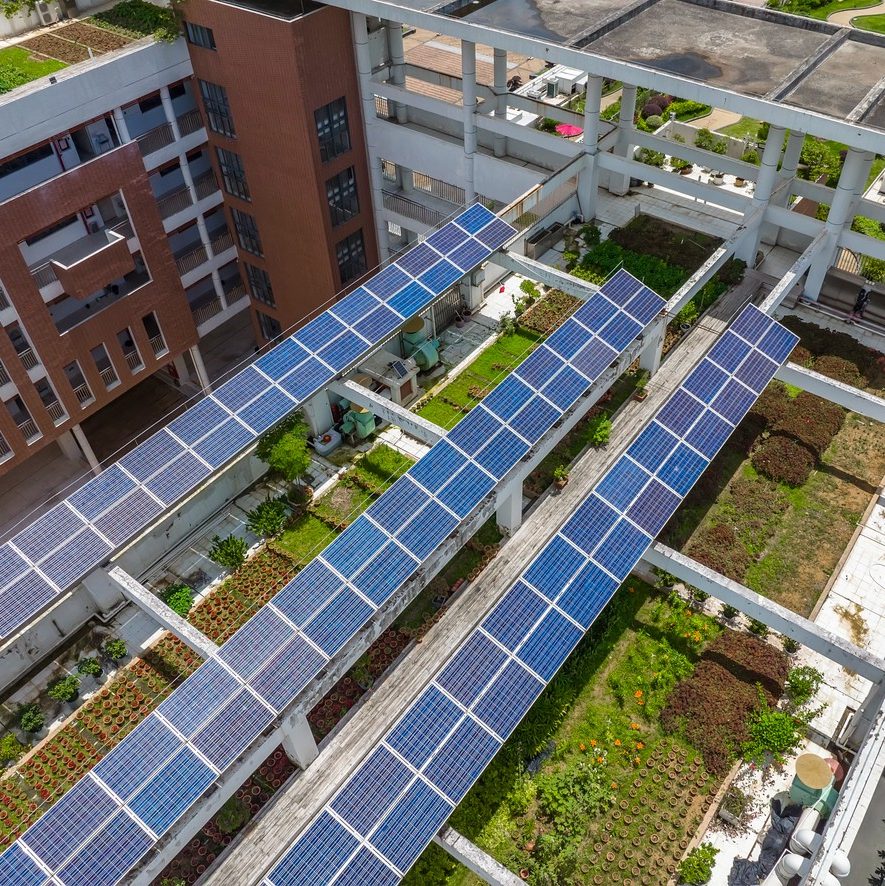
But the Eco-Lab isn’t a single site or facility—it’s a network of neighborhood-scale climate interventions, physically and socially embedded throughout South LA. Across multiple zip codes, the initiative is introducing rooftop solar installations on homes, schools, and community buildings to reduce energy costs and carbon emissions. Drought-tolerant tree planting aims to cool sidewalks, shade bus stops, and combat the urban heat island effect, while stormwater capture systems—including rain gardens, bioswales, and permeable pavements—help manage flooding and recharge local groundwater. Streetscapes will be redesigned with climate resilience in mind, incorporating accessible walking paths, shaded seating, bike lanes, and green buffers to improve mobility, safety, and public health.
— Neidi Dominguez, Executive Director, SCOPE LA“Our communities have long been frontline communities—now they are front-runners in building climate resilience, clean energy, and economic justice.”


At its core, the Eco-Lab ties together climate adaptation, public health, and social equity. Each intervention is designed not just to address climate threats, but to improve everyday life for residents—through cleaner air, cooler neighborhoods, reduced utility bills, and more inviting public spaces. By prioritizing projects that are highly visible, functional, and locally relevant, the Eco-Lab aims to build widespread community trust and engagement.
What truly distinguishes the South LA Eco-Lab is its participatory design process. Rather than top-down implementation, it is led by a coalition of trusted community-based organizations, including SCOPE LA, T.R.U.S.T. South LA, and Strategic Actions for a Just Economy (SAJE). These groups are not only managing the rollout of physical projects, but are deeply involved in facilitating workshops, leading multilingual outreach, gathering feedback, and co-designing solutions directly with residents. The result is a model where local knowledge, cultural context, and community priorities shape the built environment—ensuring long-term relevance and impact.
In parallel, the Eco-Lab is committed to building local capacity through workforce development. Training programs are being offered in solar panel installation, energy efficiency auditing, rainwater harvesting, and urban forestry, connecting South LA residents—especially youth and underemployed adults—with living-wage green jobs that also advance the neighborhood’s resilience. These opportunities help shift the narrative from vulnerability to agency, creating a cycle of community empowerment where residents are not only recipients of sustainable development, but leaders of it.
The South LA Eco-Lab stands as a bold example of what climate action can look like when equity, environment, and economic opportunity are approached as interconnected priorities. By weaving together green infrastructure, local governance, and job creation, the Eco-Lab is more than a resilience project—it’s a community-led reimagining of urban justice in the face of climate change. As cities across the world seek to address similar disparities, South LA is proving that the most lasting solutions begin with listening, trusting, and investing in the people who know their neighborhoods best.
Take Aways
Distributed clean energy through community solar projects.
Solar panels are being installed on homes, schools, and nonprofit buildings, helping residents lower energy bills and reduce reliance on fossil fuels—while also creating jobs in solar installation and maintenance.
Urban heat relief through tree planting and shade infrastructure.
Targeting areas with minimal canopy cover, the Eco-Lab is introducing heat-mitigating street trees and shade structures to combat extreme temperatures—especially around schools, bus stops, and public gathering spaces.
Stormwater capture and climate-smart streets.
Permeable pavements, rain gardens, and green alleyways are being integrated into local streetscapes to reduce flooding and recharge groundwater—especially in flood-prone neighborhoods like Vernon-Central.
Green job creation and workforce development.
Residents have access to free or low-cost training in sustainable fields such as energy auditing, landscaping, water conservation, and electrical work—empowering locals to benefit directly from green infrastructure.
 ARISE
ARISE 